
Every autumn, yachts from across the Mediterranean head west for the Caribbean winter season. Most of the work happens before departure: confirming VAT status, preparing crew documents, arranging spares and provisions, and choosing the right last stops before the Atlantic. This guide summarises what captains, owners and managers should plan, and when.
Timing the Season

The Caribbean season runs from late November to April or May, with peak demand around Christmas and New Year. Most yachts leave the Mediterranean between October and early December and cross when the trade-wind window opens.
The return usually starts in spring, ahead of the Atlantic hurricane season (officially June to November), through the Azores or directly to the western Mediterranean. Berths, fuel and crew changes are in demand during the same short windows, so both legs are best planned early.
Last Stops Before the Atlantic: Gibraltar and the Canary Islands

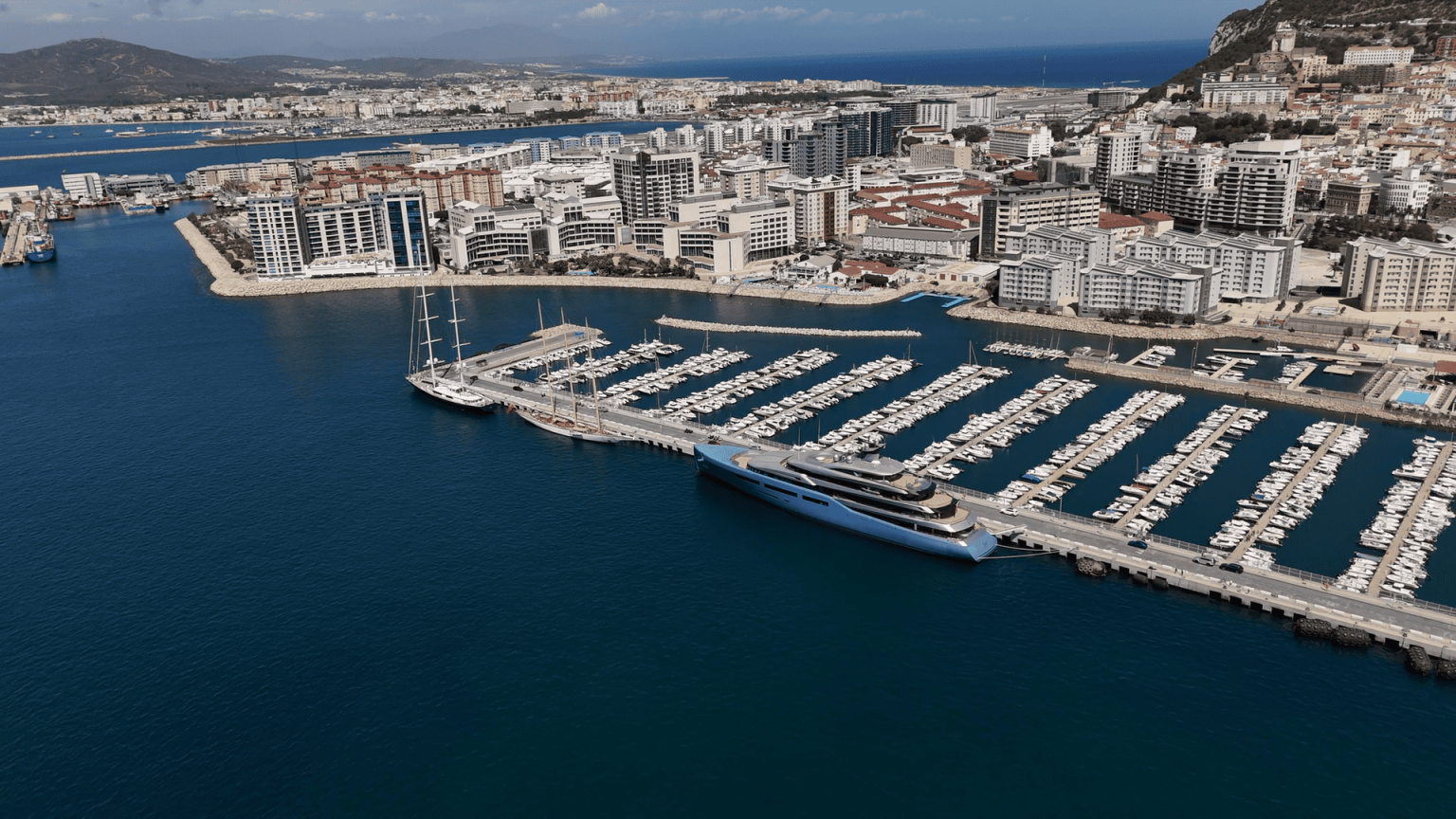
Gibraltar is the natural exit from the Mediterranean, and the Canary Islands are the usual departure point for the crossing. Many yachts use both, or one of them, depending on route, weather and schedule.
- Gibraltar: fuel, technical support, spares, customs formalities, crew changes and airfreight, with short distances to Spanish ports such as Marbella, Sotogrande, Málaga and Cádiz.
- Canary Islands: a final stop for fuel, provisions and technical checks, and a good position to wait for a suitable weather window.
Gibraltar and the Canary Islands are both outside the EU VAT area, so any stop there should be considered in your VAT planning (see below).
Yachts Coming from Elsewhere in the Mediterranean
Not every yacht starts in Spain. Boats from France, Italy, Croatia, Greece, Malta, Turkey and other Mediterranean ports often stop in Gibraltar before the Atlantic. In that case, it helps to confirm in advance:
- Which documents will be requested at each stop, given the yacht’s flag and previous ports
- How an entry in Gibraltar or Spain fits with the VAT and customs history of the yacht
- Whether supplies, spares or crew changes need to be arranged before arrival, so the stop is short and efficient
Documentation to Have in Order
VAT and customs. Proof of VAT status is the key document in the yacht’s file. Before leaving the EU, check whether VAT has been paid, how leaving and re-entering the EU VAT area affects the yacht, and what customs will ask for on return. Rules and interpretations change, so confirm your situation with a qualified adviser.
Flag, registration and charter. Review registration, charter licences, tax obligations and crew employment rules before departure. Caribbean cruising permits, charter licences and cruising taxes vary by island and jurisdiction.
Crew. Check STCW certificates and medical certificates, visas for each Caribbean country on the itinerary, Schengen stay limits for non-EU crew, and employment agreements compliant with flag state and MLC.
Insurance. Review navigation limits, crossing cover and hurricane-season clauses, and confirm dates with your broker before planning the return.
Spares, Logistics and Provisioning
Ship critical spares and technical items several weeks before departure to Gibraltar, the Canary Islands or a Spanish port. Holidays, customs inspections and carrier delays reduce your margin quickly. Temporary import, re-export and transit procedures should be clarified at the same time.

For provisioning, prepare a detailed list two to three weeks before leaving, covering fresh, frozen and dry goods, galley and crew supplies, and wines and spirits under the correct duty and VAT regime. Some Caribbean islands have limited supply and higher prices, so a second restocking plan for arrival is useful.
Planning the Return
- Customs and VAT documentation for re-entering the EU, Gibraltar or other Mediterranean ports
- Berths in your destination port, plus fuel and provisioning for arrival
- Refit and shipyard slots before the summer season
- Crew changes and visa checks
Caribbean Crossing Checklist
- Confirm VAT status and gather customs documents
- Review flag, registration and charter obligations
- Check crew certificates, visas and medical documents
- Verify insurance for the crossing and hurricane season
- Ship spares and schedule technical work in advance
- Book berths and fuel in Gibraltar, the Canary Islands or Spain, and prepare provisioning
- Plan the return route, documents and Mediterranean berths
How an Agent Can Help
Evolution Agents works from Spain and Gibraltar and coordinates yacht agency, legal and regulatory support, logistics and provisioning through a single point of contact, both for the outbound crossing and the return to the Mediterranean. The best moment to get in touch is six to eight weeks before departure.
Contact: hola@evolutionagents.com | Contact page
Frequently Asked Questions
When should I start planning the crossing?
Six to eight weeks before departure is a good starting point. It leaves time to review VAT status, crew documents, insurance, logistics and provisioning without pressure.
Can I stop in both Gibraltar and the Canary Islands?
Yes, many yachts do. The choice depends on route, weather window and what you need to load or repair. Both are outside the EU VAT area, so check how each stop affects your VAT position.
What documents do I need to cross the Atlantic?
Typically: registration papers, proof of VAT status, insurance certificates, crew certificates, passports and visas, and clearance documents for each country visited. Requirements vary by flag and destination.
Does hurricane season affect my plans?
Often yes, mainly through insurance conditions and safe-navigation planning. Most yachts leave the Caribbean or move to designated safe areas before the season begins, so confirm dates with your broker.
Disclaimer: this article is for general information and does not constitute legal or tax advice. Regulations change, so please confirm your specific circumstances with your qualified advisers.
