
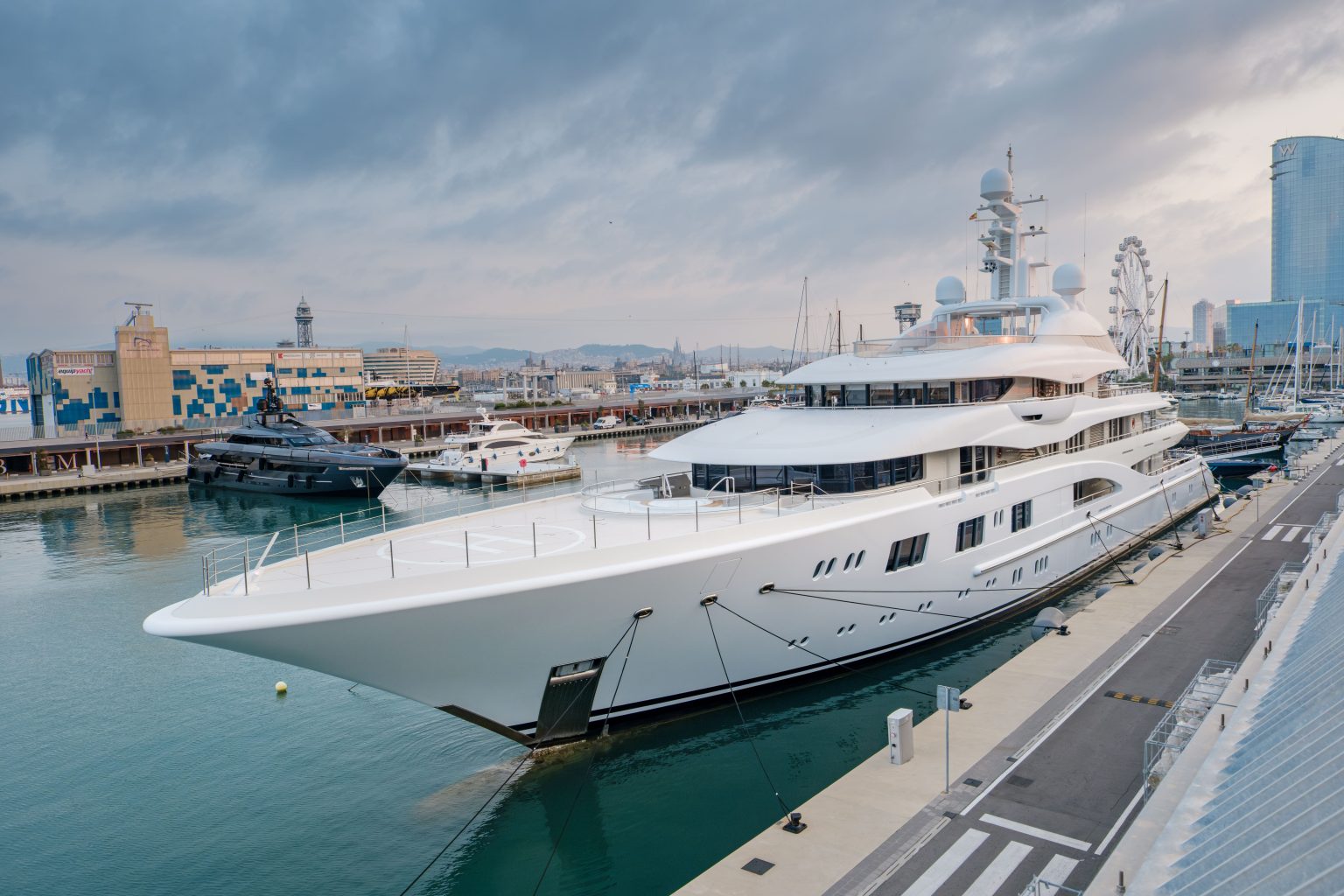
Few topics create as much uncertainty on board as VAT. Is the yacht VAT paid? Can she stay in Spain? What changes if she goes to Gibraltar or the Canary Islands? Captains are often the ones asked to produce the documents when customs ask, so understanding the basics helps long before an inspection happens.
This guide explains, in plain terms, the difference between VAT paid and non-VAT paid yachts in the EU, how temporary admission works, and why Gibraltar and the Canary Islands matter for your planning. It is general information, not tax advice.
What does “VAT paid” mean for a yacht?
A yacht is generally described as VAT paid when the correct VAT has been paid within the EU and she holds the customs status of Union goods, also called free circulation. In practice, she can move between EU member states without further VAT being charged, provided she stays within the EU VAT and customs territory.
The important point is proof. Status is only useful if it can be shown. Documentation proving the yacht’s VAT status should be kept on board and be easy to find, because customs officers may ask for it in any EU port.
What is a non-VAT paid yacht?
A non-VAT paid yacht is one for which EU VAT has not been paid or cannot be evidenced. Common situations include:
- A yacht built or bought outside the EU and brought in without VAT being settled.
- A yacht that has left the EU and lost her Union status.
- A yacht whose paperwork is incomplete, so status cannot be proven.
Non-VAT paid does not automatically mean non-compliant. Some yachts can be in the EU legally without VAT having been paid, for example under temporary admission or under a specific commercial regime. What matters is that the yacht’s situation matches the rules that apply to her.
Temporary admission: staying without paying VAT
Temporary admission (TA) allows certain non-EU yachts to stay in the EU for a limited period without paying import VAT. As a general rule:
- It applies to yachts used for private, non-commercial purposes.
- It is intended for owners or users resident outside the EU.
- The usual maximum period is 18 months, after which the yacht must leave the EU or be formally imported with VAT.
- It is generally not compatible with selling or chartering the yacht inside the EU while she is under TA.
Temporary admission rules are applied by each member state, and details can differ. Always confirm how your case is treated before relying on this regime.
Commercial and charter yachts
Yachts used commercially or for charter can fall under different VAT and customs regimes from private yachts. Structures vary by flag, registration and where the yacht operates, and the tax position can be complex. This is an area where early advice from a qualified adviser is essential, and where documentation must be consistent with how the yacht is actually used.
Leaving the EU and coming back: Returned Goods Relief
A yacht that is VAT paid generally loses her Union customs status when she leaves the EU customs territory. Under Returned Goods Relief (RGR), she may be able to regain it if she comes back within three years, subject to conditions such as being returned by the same person who took her out and in the same state, plus the right paperwork.
Two practical points follow:
- The three-year period is counted from the moment the yacht leaves the EU, not from when she reaches her final destination.
- Cruising for longer, or changing ownership while outside the EU, can put the yacht’s status at risk.
This matters for yachts planning a Caribbean season. If your itinerary takes you out of the EU for an extended period, check your status before departure and keep records of dates and ports. Our Mediterranean to Caribbean crossing guide covers the wider planning checklist.
Gibraltar and the Canary Islands: why they matter
Gibraltar and the Canary Islands are both outside the EU VAT area. For yachts operating from Spain, that means a stop in either place can have VAT and customs consequences, and should be considered in advance. These stops are common for fuel, supplies and last checks before the Atlantic, so the question of how they affect your status comes up often.
Before planning a stop, confirm:
- The yacht’s current VAT and customs status.
- How entering and leaving the EU VAT area affects her on return.
- What documents customs may request when you come back into Spain or another EU port.
What customs may ask to see
Requirements differ by situation, but the following documents are commonly requested:
- Proof of VAT status (for example, VAT payment evidence or customs documents showing Union status).
- Registration documents and flag state information.
- Temporary admission documents, if the yacht is under TA.
- Evidence of previous ports and dates, where relevant.
Having these organised and accessible makes inspections shorter and less stressful for everyone on board.
Common mistakes to avoid
- Assuming status without proof. If you cannot show it, customs may treat the yacht as non-VAT paid.
- Overstaying temporary admission. The 18-month limit is strict, and the consequences can include VAT liability and penalties.
- Ignoring Gibraltar and Canary Islands stops. A short visit can still matter for your VAT history.
- Changing use without updating the structure. A private yacht that starts chartering may need a different VAT treatment.
- Leaving the return to the last minute. Customs and VAT documents are easier to prepare before you leave than after.
Where a yacht agent fits in
A yacht agent does not replace your tax adviser, but can coordinate the practical side: preparing customs documents, liaising with the authorities in port, organising inspections and making sure the right paperwork is on board. At Evolution Agents, we work from Spain and Gibraltar and regularly handle these formalities alongside port, logistics and crew services. If you are unsure about your yacht’s status or itinerary, you can contact our team.
Frequently Asked Questions
What does VAT paid mean for a yacht?
It means the correct VAT has been paid in the EU and the yacht has the customs status of Union goods, so she can move within the EU without further VAT, as long as the proof is on board.
Can a non-VAT paid yacht stay in Spain?
Sometimes. For example, a yacht used privately by a non-EU resident may stay under temporary admission, generally for up to 18 months. Other situations require VAT to be paid or a specific regime to apply.
How long can a VAT paid yacht stay outside the EU?
Under Returned Goods Relief, a yacht generally needs to return within three years to keep her Union status, subject to conditions. Always confirm your case before departure.
Are Gibraltar and the Canary Islands inside the EU VAT area?
No. Both are outside the EU VAT area, so stops there should be taken into account when planning your yacht’s VAT position.
Disclaimer: this article is for general information and does not constitute legal or tax advice. VAT and customs rules change and are applied differently in each member state, so please confirm your specific circumstances with your qualified advisers.
